The Three Core Scoring Models Compared
Every host must choose a system before the first sheet is issued. Mixing rules midway causes instant friction.
1. The Pure Linear Model (1 Pt per Question)
Mechanics: 50 questions = 50 maximum points. No bonus modifiers, no confidence betting.
Pros: Absolute speed. Peer marking takes 3 minutes.
Cons: In large rooms of 15+ teams, ties for 1st, 2nd, and 3rd place occur in over 65% of fixtures.
2. The Tiered Confidence Matrix
Mechanics: Rounds 1–3 award standard 1 pt. Round 4 allows teams to assign their chosen 'Joker' card to double their points in their strongest subject.
Pros: Massive tactical excitement; trailing teams can leapfrog cautious front-runners.
Cons: The host must record which team played their Joker in which round to prevent fraudulent claims.
3. Negative-Penalty Elimination Rounds
Mechanics: Questions are optional. Correct answers award 3 pts; incorrect answers deduct 2 pts; blank spaces yield 0.
Pros: Completely eliminates mindless guessing and separates expert tables from lucky speculators.
Cons: Intimidates casual pub players if introduced too early in the evening.
Preventing Score Disputes
Adopt the three-point desk policy to keep marking clean:
- Written Submissions Only: Never accept verbal answers shouted from the bar floor. If it is not on the sheet when time is called, it does not exist.
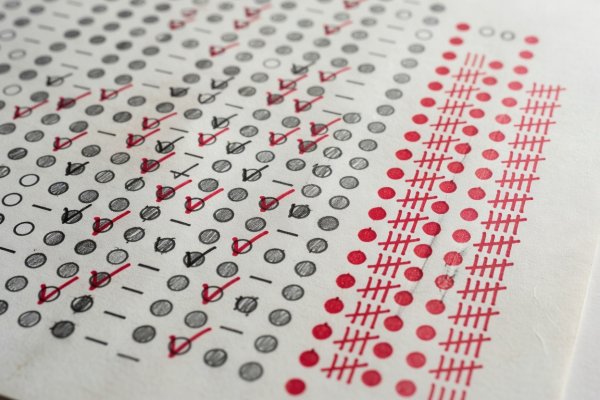
- The Red Pencil Rule: Team sheets swapped for marking must be corrected with colored pencils provided by the host. Any black-ballpoint alteration made after collection is automatically disqualified.
- The Two-Minute Audit Window: Announce intermediate standings at halftime and grant team captains two minutes to inspect their marked sheets before starting Round 3.
The Exact Tie-Breaker Formula
When the final round ends and two teams share the top score, follow this step-by-step resolution rather than hasty trivia tossing:
The Verification Audit
Privately re-sum both tied sheets on a desk calculator. More than 20% of pub quiz ties are simple 1-point arithmetic addition mistakes by peer markers.
The Absolute Estimate
Select a single, impossible-to-know exact figure. For example: "In what exact year was the first commercial telegraph cable laid across the Atlantic?" (1858) or "What is the exact track length of the Nürburgring Nordschleife in meters?" (20,832m).
The Dual Reveal
Captains write their number on a fresh card simultaneously. The closest guess takes first place. In the infinitesimal chance of an equal distance, second tie-breaker is closest without exceeding.